
Appliance removal house clearance services must prioritize secure data erasure to protect sensitive information on discarded electronics. By following best practices, including proper sanitization and responsible recycling, companies ensure compliance with regulations like GDPR, minimize e-waste, and contribute to a sustainable future.
The digital age has transformed our lives, making data security an paramount concern. As we increasingly rely on electronics for even mundane tasks, the removal of these devices from our homes—through appliance removal house clearance services—has taken on added significance. Simply discarding electronics can expose sensitive information to prying eyes or malicious actors. This article delves into the critical importance of data security during appliance removal, offering practical insights and expert guidance to ensure your personal data remains protected, even when clearing out old or unwanted items from your home.
- Understanding Data Risks During Appliance Removal House Clearance
- Best Practices for Secure Data Erase Before Disposing Electronics
- Legal Implications and Ethical Considerations in Data Security During House Clearance
Understanding Data Risks During Appliance Removal House Clearance
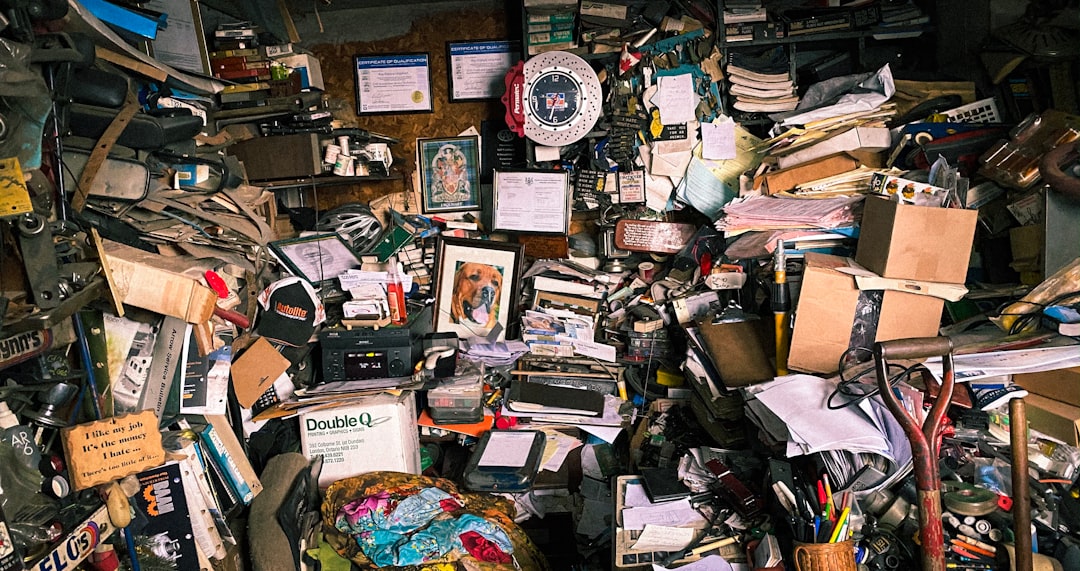
When undertaking an appliance removal house clearance—whether it’s in Northamptonshire, Gloucestershire, Warwickshire, or elsewhere—it’s crucial to understand the data risks inherent in the process. As digital devices and smart appliances become ubiquitous in homes, the potential for sensitive information to be left behind is significant. This is particularly true during appliance removal house clearances, where professional services like ours play a vital role in ensuring a smooth transition for homeowners while minimizing security vulnerabilities.
During an appliance removal house clearance, numerous electronic devices—from computers and smartphones to smart thermostats and home security systems—can be encountered. While the primary focus is on physically removing these items safely and efficiently, it’s equally important to consider the data security implications. A single forgotten or improperly erased device can expose personal information, financial records, and even trade secrets. For instance, a study by the National Cyber Security Alliance found that 43% of Americans have experienced identity theft due to discarded electronics.
To mitigate these risks, it’s essential for homeowners to work with reputable appliance removal services that understand the importance of data security. At our company, we don’t just remove appliances; we ensure that any digital assets are handled with care and securely disposed of. This involves thoroughly sanitizing devices to meet industry standards, such as the NIST guidelines for data destruction. By doing so, we help protect our clients from potential cyber threats, ensuring their peace of mind during what can be a stressful time.
In addition to proper device disposal, we educate our clients on best practices for securing personal data before the removal process begins. This includes erasing hard drives, deactivating smart home devices, and removing any sensitive documents or media. By combining these measures with our expertise in appliance removal house clearances, we offer a comprehensive solution that keeps both your belongings and your data safe. Give us a call today to learn more about how we can assist you during this transition, ensuring a secure future for your digital assets.
Best Practices for Secure Data Erase Before Disposing Electronics

When it comes to appliance removal house clearance—whether in Worcestershire, Cheshire, East Sussex, or beyond—the secure disposal of electronics is a critical component that often goes overlooked. With electronic devices containing sensitive data, proper data security during the removal process is essential to protect privacy and prevent potential cyber threats. This becomes especially pertinent when dealing with outdated gadgets, as they can still hold valuable information that, if left unaddressed, could expose individuals or businesses to significant risks.
Best practices for secure data erase involve a multi-step approach. Firstly, assess the type of devices you’re dealing with and their storage capacity, as this will dictate the appropriate data security measures. For instance, hard drives in older computers can store vast amounts of data, necessitating specialized software to ensure complete erasure. There are numerous tools available that can perform this task effectively, some even offering military-grade encryption for added protection. Secondly, wipe or degauss magnetic media like hard disks and tapes using certified equipment designed for secure data destruction. This process ensures that no residual data remains, rendering the media unusable for any unauthorized purposes.
Thirdly, for devices with solid-state memory like USB drives or memory cards, overwriting the data is typically sufficient to prevent recovery. However, specialized software can be used to ensure that every bit of information is erased, leaving no trace of its former existence. Finally, always ensure proper physical destruction of electronic components, especially in cases where data security is paramount. This could involve shredding hard drives or crushing devices beyond repair to make them unrecognizable and unusable. By adhering to these best practices, individuals and businesses involved in appliance removal house clearance can confidently dispose of electronics, ensuring the protection of sensitive data while contributing to a more sustainable future through responsible e-waste management. Find us at green disposal of appliances for expert guidance tailored to your specific needs, whether you’re based in Worcestershire, Cheshire, East Sussex, or beyond.
Legal Implications and Ethical Considerations in Data Security During House Clearance

The removal of electronics during a house clearance presents significant challenges regarding data security and ethical considerations, particularly with the increasing value and complexity of today’s devices. As consumers rely heavily on digital appliances for both entertainment and essential services, the legal implications of improper data disposal are far-reaching. In regions like Hertfordshire, Bedfordshire, and West Sussex, where appliance removal house clearance is a common service, professionals must navigate not only environmental regulations but also stringent data protection laws.
When dealing with old electronics, whether through house clearance or dedicated removal services, the primary legal concern revolves around preventing unauthorized access to personal data. The General Data Protection Regulation (GDPR) in the UK sets strict guidelines on how businesses and individuals can handle personal information. This includes ensuring that data is securely erased or anonymized before disposal to protect individuals’ privacy rights. For instance, a simple factory reset might not be enough; specialized data wiping software is often required to render data unrecoverable.
Ethically, responsible appliance removal goes beyond legal obligations. It involves considering the broader impact on communities and the environment. In addition to secure data erasure, professionals should employ efficient appliance disposal methods that minimize electronic waste. This aligns with growing concerns about e-waste management, as the improper disposal of electronics can lead to environmental contamination with heavy metals and other harmful substances. By adopting best practices in data security and ethical appliance removal, including thorough data wiping and responsible recycling, companies like Efficient Appliance Disposal Methods contribute to a more sustainable future while ensuring compliance with legal standards in Hertfordshire, Bedfordshire, West Sussex, and beyond.
In conclusion, appliance removal house clearance presents significant data security risks, underscoring the critical need for meticulous handling of electronic devices. This article has highlighted the potential dangers of data breaches during the removal process, emphasizing the importance of proactive measures to safeguard sensitive information. By understanding the risks associated with appliance removal, adopting best practices for secure data erase, and considering legal and ethical implications, individuals and businesses can ensure responsible and comprehensive data protection. Moving forward, prioritizing data security in house clearance will not only mitigate legal ramifications but also foster public trust, ensuring a sustainable and ethical approach to electronic waste management.