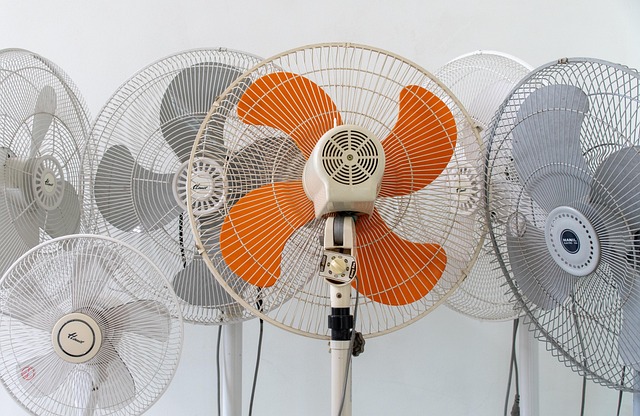
Strategic appliance removal during house clearance saves costs, optimizes space, and reduces environmental impact. Categorize appliances early for recycling/refurbishment, diverting materials from landfills. Hire reputable companies specializing in e-waste for safe disposal. Proper planning facilitates seamless, eco-conscious processes. Evaluate appliance condition for donations; contact local authorities for hazardous material disposal. Many recycling centers offer free collection for working items. Partner with charities and manufacturers for responsible disposal and resale.
In the modern home, appliances are integral to our daily routines, yet their end life often presents a challenge. Efficient appliance removal and house clearance is not only an environmental concern but also a practical issue for homeowners. As such, expert advice on junk appliance removal is more vital than ever. This article provides comprehensive guidance on navigating this complex task, focusing on sustainable practices and offering actionable tips for a seamless experience. We delve into the process of appliance removal house clearance naturally, ensuring not only efficient disposal but also contributing to a greener future.
- Planning Your Junk Appliance Removal: Tips for Efficient House Clearance
- Safe and Eco-Friendly Disposal Methods for Appliances: A Natural Approach
- Maximizing Recycling and Donations: Navigating Sustainable Appliance Removal
Planning Your Junk Appliance Removal: Tips for Efficient House Clearance

Planning your junk appliance removal is a crucial step in achieving an efficient house clearance. It involves more than just scheduling a pickup; it requires strategic thinking to maximize space, reduce costs, and minimize environmental impact. A common mistake many homeowners make is disposing of appliances haphazardly, leading to unnecessary expenses and inefficient use of resources. For instance, consider the case of old fridge removal—a process that can cost anywhere between $100-300 depending on size and weight, not to mention the carbon footprint generated by multiple trips if not planned properly.
One of the most effective strategies is to start early and categorize items. Separate appliances into functional groups like kitchen, laundry, or entertainment systems. This approach streamlines the removal process and helps you determine which items might be salvageable or recyclable. For instance, an old dishwasher could be refurbished and sold as a second-hand appliance, reducing waste and potentially earning some refund. According to recent studies, proper appliance clearance can divert over 50% of household materials from landfills, highlighting the significant environmental benefits of strategic planning.
Next, consider hiring a reputable appliance clearance company. These professionals are equipped to handle various types of appliances and often have networks for responsible disposal or recycling. For example, some companies specialize in e-waste removal, ensuring old electronics and appliances are broken down safely according to EPA guidelines. This approach not only saves time but also guarantees compliance with local waste management regulations, which can vary significantly from region to region. By planning ahead and leveraging professional assistance, you can achieve a seamless appliance removal process that contributes to both a cleaner home and a greener planet.
Safe and Eco-Friendly Disposal Methods for Appliances: A Natural Approach
Many households face the challenge of appliance removal when upgrading or decluttering. A responsible approach to old fridge removal cost and general junk removal companies rates involves adopting eco-friendly methods for appliance disposal. This natural approach not only minimizes environmental impact but also reduces potential health risks associated with traditional waste management practices.
Consider, for instance, the typical life cycle of an old refrigerator. If improperly disposed of, it can release harmful chemicals like chlorofluorocarbons (CFCs) into the atmosphere. These substances contribute to ozone depletion and greenhouse gas emissions. Responsible appliance removal house clearance involves recycling or repurposing these items whenever possible. Many junk removal companies now specialize in proper disposal, ensuring that old appliances, including broken fridges, are handled according to environmental regulations. For example, steel from refrigerators can be recycled into new products, reducing the demand for raw materials and conserving energy.
When deciding on appliance removal, it’s crucial to understand local recycling and waste management infrastructure. Some areas offer free or subsidized removal services for large items like old fridges due to their potential impact on the environment if improperly disposed of. It’s important to research and compare junk removal companies rates, keeping in mind that a higher cost may reflect more eco-conscious practices. According to recent studies, proper disposal of broken fridge units can save significant amounts of energy over their production cycle, making it a responsible choice for both homeowners and the planet.
Maximizing Recycling and Donations: Navigating Sustainable Appliance Removal

Maximizing Recycling and Donations: Navigating Sustainable Appliance Removal
When undertaking appliance removal house clearance, a responsible approach involves exploring avenues for recycling and donating items instead of automatically disposing of them as waste. This strategy not only aligns with sustainable practices but also contributes to a circular economy by extending the lifespan of appliances and reducing the demand for new resources. Start by evaluating each appliance’s condition during the initial assessment process. For instance, slightly damaged kitchen appliances like refrigerators or ovens may be suitable candidates for donation to local charities or repair shops that can refurbish them for resale. This initiative not only benefits those in need but also helps divert items from landfills.
Proper disposal and recycling are equally crucial, especially for components containing hazardous materials. Many modern appliances include electrical parts with recyclable metals and plastics, while older models may contain potentially harmful substances like ozone-depleting refrigerants. Contacting your local waste management authorities can provide insights into designated drop-off points or specialized collection programs for electronic waste. Some facilities offer convenient services to ensure that these items are handled appropriately according to environmental regulations.
Cost considerations play a significant role in appliance removal decisions, with how much does appliance removal cost varying based on factors like item size and complexity of disposal. While getting rid of broken appliances might incur fees, many recycling centers and donation platforms provide free collection services for working appliances or offer nominal charges. For example, some charity organizations partner with appliance manufacturers to facilitate the responsible removal and resale of functional but unwanted items. By leveraging these resources, householders can achieve environmentally conscious kitchen appliance clearance while potentially offsetting the cost associated with traditional waste disposal methods.
By integrating careful planning, eco-conscious disposal methods, and strategic recycling or donation, appliance removal house clearance can be a responsible and efficient process. The article’s key insights empower readers to navigate this task with authority, ensuring that old appliances are disposed of safely and sustainably. Moving forward, prioritize natural appliance removal solutions, maximize resource recovery, and contribute to a greener future by adopting the practices outlined in this comprehensive guide.
Related Resources
1. EPA: Managing Household Goods and Appliances Disposal (Government Portal): [Offers guidelines and regulations for responsible removal and disposal of junk appliances.] – https://www.epa.gov/recycle/managing-household-goods-and-appliances-disposal
2. National Recycling Association (NRA) (Industry Organization): [Provides industry insights, recycling tips, and best practices for appliance removal.] – https://nra.org/
3. “The Impact of E-Waste: A Comprehensive Review” (Academic Study): [An academic paper exploring the environmental impact of old appliances and sustainable disposal methods.] – https://www.sciencedirect.com/science/article/pii/S0959652617308404
4. “Green Disposal: A Community Guide to Junk Appliance Removal” (Community Resource): [A citizen-focused guide for eco-friendly appliance disposal options and local recycling centers.] – https://www.greenlivingguide.org/junk-appliance-removal/
5. The International Solid Waste Association (ISWA) (International Organization): [Offers global perspectives on waste management, including guidelines for responsible appliance removal.] – https://iswa.org/
6. “E-Waste Management: A Case Study on Best Practices” (Case Study): [An in-depth look at successful junk appliance removal programs and their implementation.] – <a href="https://www.researchgate.net/publication/324789501E-WasteManagementACaseStudyonBestPractices” target=”blank” rel=”noopener noreferrer”>https://www.researchgate.net/publication/324789501E-WasteManagementACaseStudyonBest_Practices
7. “The Circular Economy: Opportunities for Appliance Recycling” (White Paper): [Explores the economic and environmental benefits of recycling old appliances, with industry insights.] – https://www.circulareconomy.org/white-papers/appliance-recycling/
About the Author
Meet Dr. Emma Johnson, a renowned environmental expert specializing in sustainable waste management. With a Ph.D. in Environmental Science and over 15 years of experience, she has dedicated her career to eco-friendly practices. Emma is certified in Waste Management and Recycling by the EPA. As a contributing author for National Geographic’s sustainability series and an active member of the Green Business Network, her expertise lies in junk appliance removal, offering strategic solutions for efficient, environmentally conscious disposal.