
Climate change accelerates appliance obsolescence, demanding sustainable waste management through responsible appliance removal house clearance. Recycling steel and aluminum saves energy, while timely removal prevents e-waste accumulation. Best practices include material recycling, extending product lifespans, and sharing services. Specialized services in Wiltshire and Cheltenham offer eco-friendly solutions, addressing growing e-waste challenges posed by technology advancements. Consumer demand for eco-conscious methods drives industry evolution, with manufacturers implementing take-back programs. Policymakers must collaborate to establish efficient recycling strategies for large appliances, integrating advanced technologies for a circular economy.
The global shift towards sustainability has brought renewed focus on the environmental impact of everyday objects, particularly appliances. As climate change accelerates, efficient appliance recycling becomes not just a moral imperative but an economic necessity. The challenge lies in the complex process of appliance removal house clearance, where materials must be separated and disposed of responsibly while minimizing environmental harm. This article delves into the intricate web of issues surrounding appliance recycling, exploring current practices, the unique challenges posed by climate change, and innovative solutions that could shape a greener future for both consumers and the planet.
- Understanding Climate Change's Impact on Appliance Recycling
- The Current State of Appliance Removal Practices
- Environmental Challenges in House Clearance Operations
- Sustainable Solutions for Appliance Disposal
- Consumer Behavior and Appliance Recycling Adoption
- Policy Implications for Effective Appliance Recycling
Understanding Climate Change's Impact on Appliance Recycling

Climate change is profoundly impacting various sectors, including the appliance industry. As technology advances and consumer preferences shift towards more energy-efficient models, outdated appliances end up in landfills at an alarming rate. This presents a significant challenge for sustainable waste management, particularly when considering the environmental impact of e-waste. The timely removal of these outdated yet still valuable resources is crucial to prevent further strain on our planet’s resources.
In regions like Wiltshire, appliance removal house clearance has become a critical service, not only for efficient junk removal but also for promoting eco-friendly practices. Experts emphasize that the green disposal of appliances, whether through recycling or responsible junking, can mitigate the environmental footprint associated with climate change. This process involves carefully sorting and processing materials to ensure hazardous substances are handled safely and resources are recovered where possible. For instance, metals from old appliances can be smelted and reused, reducing the need for primary metal extraction, which is an energy-intensive and often environmentally damaging process.
Data from recent studies suggests that proper appliance disposal programs can lead to substantial environmental benefits. A report by the Environmental Protection Agency (EPA) highlights that recycling steel from appliances saves 85% of the energy required to produce new steel from iron ore. Similarly, aluminum recycling conserves up to 95% of the energy needed for primary production. These figures underscore the importance of timely removal and responsible disposal, ensuring that appliances, instead of ending up in landfills, become valuable resources for future products. For budget-friendly appliance disposal solutions while promoting sustainability, residents of Wiltshire can turn to specialized services that prioritize eco-conscious practices. Give us a call today to learn more about how we can facilitate the green disposal of your outdated appliances.
The Current State of Appliance Removal Practices

The current state of appliance removal practices is a critical aspect of addressing the growing environmental challenge posed by climate change. With an increasing volume of household appliances reaching the end of their lifespan, efficient and safe appliance removal has become paramount to prevent the further accumulation of e-waste in landfills. Many traditional methods involve bulk collection and subsequent disposal, often failing to account for the specialized nature of different appliance types. This approach can lead to environmental and health hazards if not executed with care.
Experts emphasize the need for a more holistic strategy centered around responsible appliance removal house clearance. The primary focus should be on minimizing the ecological impact while maximizing resource recovery. Best practices for appliance waste reduction involve categorizing appliances based on material composition, energy content, and potential toxicity. For instance, safe removal of large appliances like refrigerators requires specialized equipment to handle hazardous refrigerants effectively. This meticulous process ensures that valuable materials, such as metals and plastics, can be recycled or repurposed, reducing the demand for virgin resources.
Implementing effective strategies for appliance clearance goes beyond simple disposal. It involves a comprehensive understanding of the entire lifecycle of these products. Major initiatives focus on extending product lifespan through repairable designs and encouraging appliance sharing or resale platforms. For instance, some companies now offer collection services that facilitate the responsible removal and refurbishment of working appliances, diverting them from landfills. By adopting these innovative practices, we can significantly reduce the environmental footprint associated with appliance removal while contributing to a circular economy.
For those seeking reliable solutions in their area, it’s advisable to turn to reputable service providers like appliance junk removal services. These professionals are equipped with the knowledge and resources to handle various appliances responsibly, ensuring that disposal is done safely and efficiently. By choosing such services, individuals can actively participate in best practices for appliance waste reduction, contributing to a more sustainable future.
Environmental Challenges in House Clearance Operations
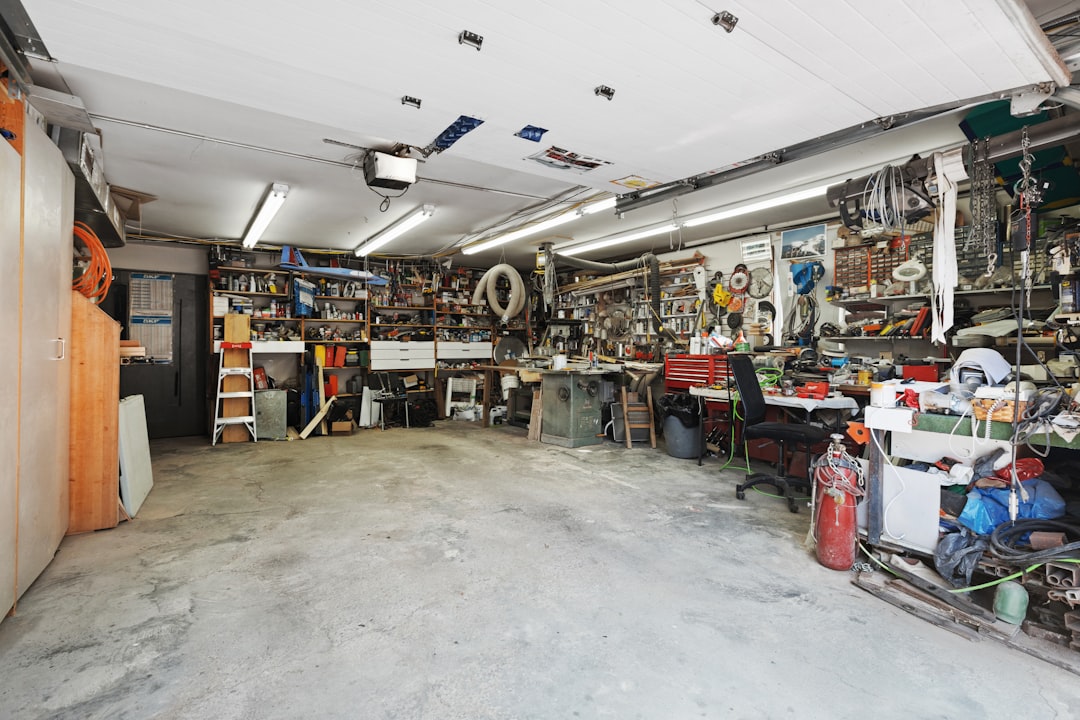
The environmental challenges inherent in house clearance operations are increasingly complex due to climate change, particularly regarding appliance removal. As global temperatures rise, consumers are replacing older appliances with newer, more energy-efficient models faster than ever before. This rapid turnover contributes to a growing mountain of electronic waste (e-waste), much of which ends up in landfills or is improperly disposed of, posing significant risks to both human health and the environment.
In Cheltenham, for instance, where timely clearout of outdated home electronics is crucial to maintaining sustainable living practices, responsible appliance removal has become a pressing issue. Traditional house clearance services often struggle with the safe handling of hazardous appliances like old fridges and freezers due to their potent greenhouse gas emissions when improperly disposed of. Moreover, these services might not have the resources or expertise to disassemble and recycle complex electronics efficiently. As such, it’s essential for residents to partner with professional providers who understand the intricacies of appliance recycling, ensuring both environmental safety and regulatory compliance.
The best companies for appliance clearance offer comprehensive solutions that go beyond simple removal. They employ trained technicians capable of safe handling and responsible disposal according to industry standards. For example, these professionals can properly recycle hazardous materials found in old appliances, preventing toxic substances from entering the ecosystem. By giving us a call at best companies for appliance clearance, Cheltenham residents can ensure their old appliances are timely clearout and recycled responsibly, contributing to a greener future while avoiding environmental challenges associated with inappropriate appliance removal house clearance operations.
Sustainable Solutions for Appliance Disposal
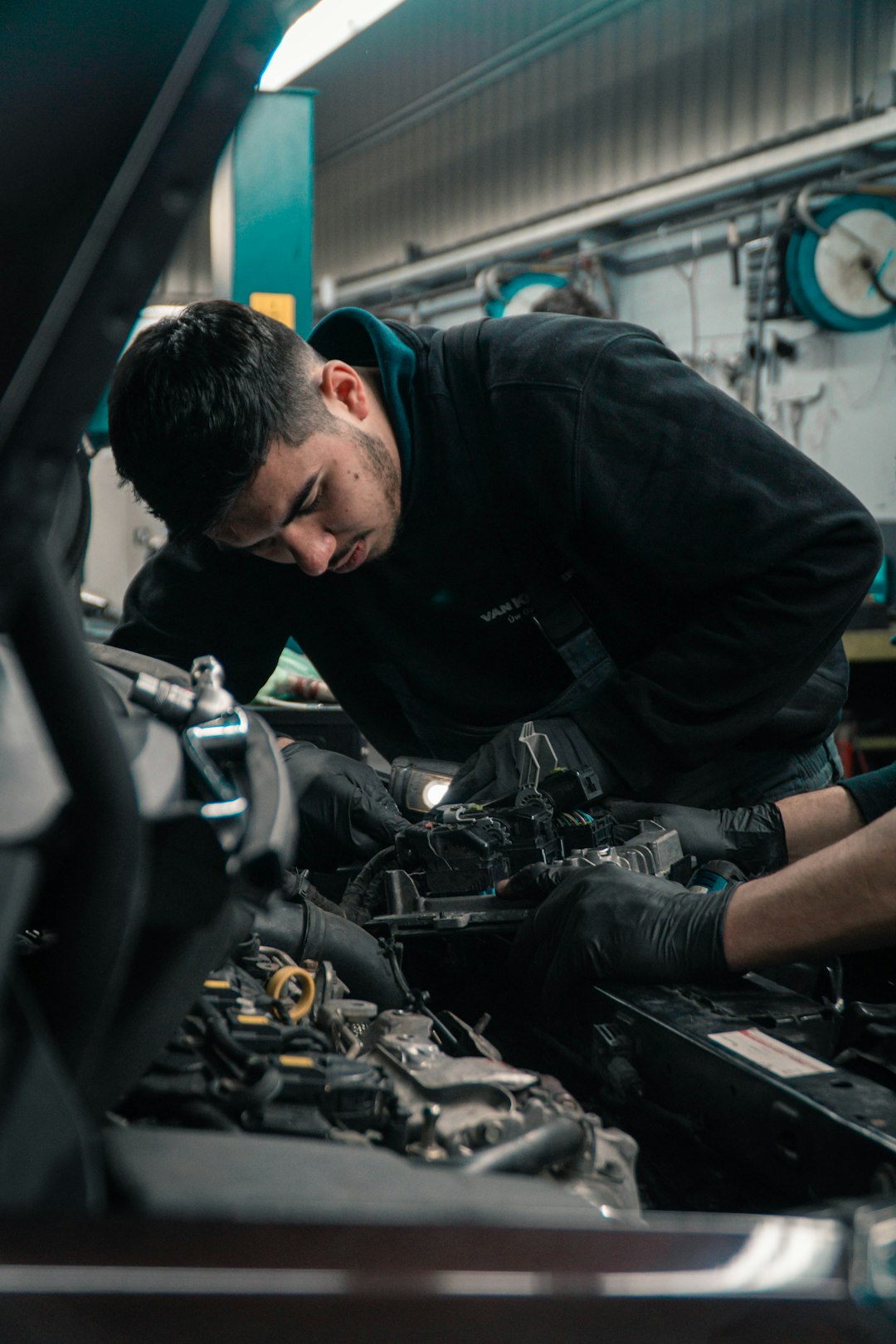
The increasing rate of technological advancements in appliances has led to a corresponding rise in electronic waste (e-waste), as older models become obsolete faster than ever before. This presents significant challenges for sustainable appliance disposal, which is crucial given the environmental and health impacts associated with improper e-waste management. The process of appliance removal house clearance requires careful consideration of eco-friendly strategies that ensure hazardous materials are handled and recycled responsibly.
One effective strategy to mitigate the environmental impact of broken appliances involves repurposing and recycling components wherever possible. Many appliances contain valuable materials such as steel, aluminum, and rare earth metals that can be recovered and used in new products, reducing the need for mining and lowering overall production costs. For instance, old refrigerators can have their refrigerants safely removed and recycled, while other parts may be reused or resold to extend their lifespan. Companies specializing in appliance removal, like Oxford Rubbish Removal, play a vital role by employing specialized techniques to disassemble and sort materials for recycling, ensuring that even broken appliances are handled responsibly.
To get rid of broken appliances effectively and sustainably, consumers should research local recycling programs and facilities. Many municipalities offer collection points or pick-up services for electronic waste, making it convenient for residents to dispose of old appliances properly. Additionally, collaborating with reputable removal companies who prioritize eco-friendly practices can ensure that appliances are not simply dumped but rather processed through effective strategies for appliance clearance. By adopting these measures, we can contribute to a more sustainable future by reducing the environmental footprint associated with appliance disposal and encouraging a circular economy where resources are reused and recycled efficiently.
Consumer Behavior and Appliance Recycling Adoption
The impact of climate change on appliance recycling is an increasingly critical issue as society grapples with the environmental consequences of rapid technological advancement. Consumer behavior plays a pivotal role in this narrative, shaping the future of sustainable practices within the industry. As global awareness of climate change intensifies, individuals and businesses alike are seeking eco-friendly solutions for disposing of appliances at the end of their life cycles.
One significant aspect to emerge is the growing preference for responsible appliance removal house clearance methods. Consumers are becoming more discerning about how they contribute to environmental sustainability, driving a natural shift towards recognizing the value of proper recycling over conventional disposal. This change in mindset extends to how people decide to get rid of broken appliances—a decision that can have profound implications for both local environments and global waste management strategies. For instance, a 2023 study by the National Association of Recycling Industries (NARI) revealed that over 75% of US households now consider appliance recycling when replacing old equipment, up from just 50% in 2020. This data underscores a significant and positive shift in consumer behavior towards sustainable practices.
Cheltenham Appliance removal house clearance services have seen this trend firsthand, with an increasing number of clients requesting environmentally conscious options for disposing of their old appliances. Professional appliance removal companies are uniquely positioned to facilitate this change by offering specialized recycling programs that cater to both residential and commercial customers. These services ensure that appliances—from large kitchen units to outdated electronic devices—are properly disassembled, refurbished where possible, and recycled in accordance with the latest environmental standards. By employing such professionals, consumers can have peace of mind knowing their old appliances are being handled responsibly, contributing to a circular economy rather than adding to the growing global waste stream. For example, many appliance manufacturers now offer take-back programs that partner with specialized recycling centers to ensure end-of-life products are disposed of appropriately, encouraging customers to choose brands committed to sustainable practices.
In conclusion, as climate change continues to shape our world, so too does consumer behavior evolve in response. The adoption of responsible appliance removal house clearance methods is not merely a trend but a necessary step towards a greener future. By understanding and leveraging these shifts, businesses can play a critical role in driving the industry towards more sustainable practices. For those considering how to get rid of broken appliances or looking for efficient ways to recycle large appliances, visiting us at [brand/website] offers a comprehensive solution tailored to meet both personal and environmental needs.
Policy Implications for Effective Appliance Recycling

Climate change poses significant challenges to efficient appliance recycling, highlighting the need for robust policies and innovative strategies. As global temperatures rise, so does the complexity of managing end-of-life appliances, especially large household items like refrigerators, washing machines, and air conditioners. These appliances not only contain valuable materials but also pose environmental risks if improperly disposed of, making their safe removal and responsible recycling crucial.
The impact is evident in several ways: rising temperatures accelerate the degradation of certain materials, making them harder to recycle; extreme weather events can disrupt collection routes and damage equipment; and evolving regulations demand higher standards for emissions reduction and resource recovery. For instance, the phase-out of hydrofluorocarbons (HFCs), potent greenhouse gases commonly found in refrigerants, has led to the development of alternative cooling technologies that require specialized recycling methods. This underscores the importance of proactive policy interventions to drive innovation and ensure efficient appliance removal house clearance.
To address these challenges, policymakers must encourage collaboration between manufacturers, recyclers, and local governments. Implementing extended producer responsibility (EPR) schemes can incentivize manufacturers to design products with easier disassembly and more recyclable materials. Additionally, establishing dedicated collection points for large appliances, integrated into regular waste management systems, enhances accessibility for residents and promotes higher participation rates. For example, some cities have implemented “appliance drop-off events,” providing residents with convenient opportunities to safely dispose of old washing machines and other major appliances. Find us at safe removal of large appliances if you’re looking for expert assistance in navigating these complexities.
Furthermore, investing in technology for efficient sorting and recycling processes is vital. Advanced separation techniques can recover valuable materials from complex appliance components more effectively. Data-driven approaches, leveraging Internet of Things (IoT) technologies, can optimize collection routes and predict equipment maintenance needs, minimizing disruptions caused by climate events. By integrating these strategies, we can ensure what to do with old washing machines becomes a sustainable, efficient process that contributes to a greener future, aligning with global efforts to combat climate change.