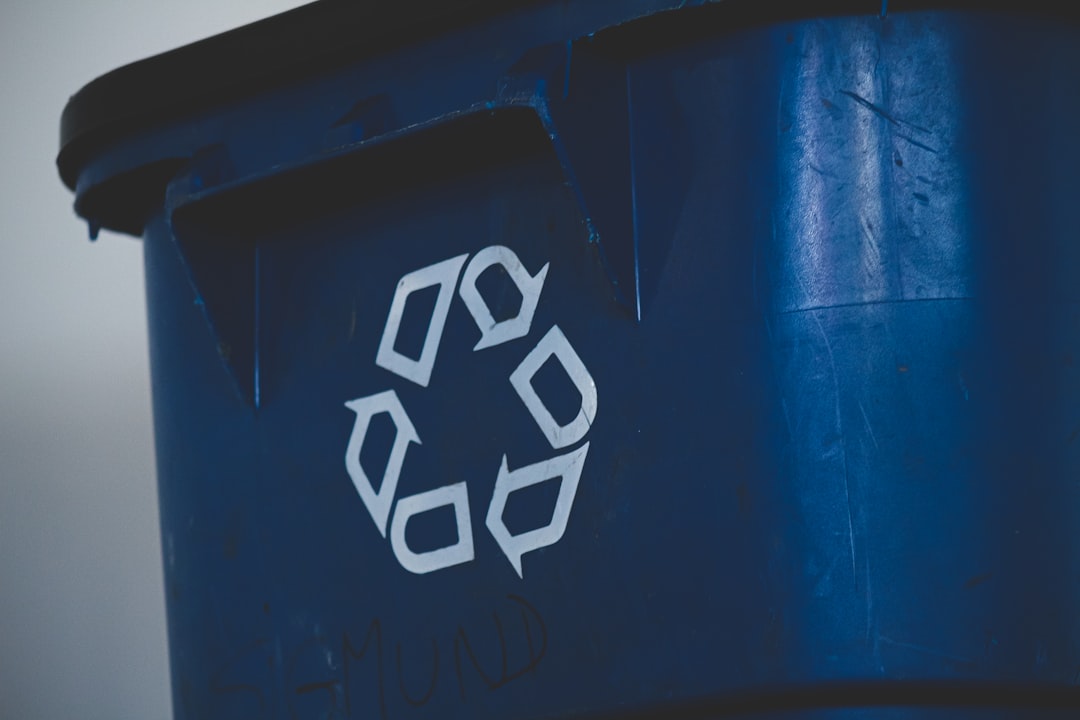
As we navigate an increasingly digital world, the secure handling of data has never been more critical. This is particularly relevant when it comes to appliance removal and house clearance services, where sensitive information can be inadvertently left behind on devices. The improper disposal or recycling of electronics poses significant risks, allowing personal data to fall into the wrong hands. This article delves into the importance of robust data security protocols during appliance removal house clearance, providing essential insights for both professionals and consumers to safeguard their digital assets naturally.
- Understanding Data Security Risks in Electronics Disposal
- Best Practices for Secure Appliance Removal House Clearance
- The Impact of Data Breaches from Old Devices: Prevention Strategies
Understanding Data Security Risks in Electronics Disposal
The digital age has brought about a rapid increase in electronic devices, from smartphones to computers. As these items become integral parts of our daily lives, their disposal becomes a pressing issue. When removing electronics, such as through appliance removal house clearance services, understanding data security risks is paramount. This is especially crucial for regions like Berkshire, East Sussex, and Dorset where responsible recycling practices are vital to environmental preservation.
Data breaches can occur even after an item appears to have been wiped clean or recycled. Hard drives and other storage devices can retain digital footprints, posing significant risks to personal and corporate information. For instance, a study by the University of New Hampshire found that up to 70% of recycled hard drives still contained sensitive data. This underscores the importance of employing secure erasure methods or degaussing to ensure no trace of data remains. Professional appliance removal house clearance services often employ such techniques to safeguard client data.
To mitigate these risks, it's essential to choose reputable recycling centers that prioritize data security. For instance, in Berkshire, East Sussex, and Dorset, local recycling centers can offer specialized services to handle electronic waste securely. They use advanced technologies like data overwriting and physical destruction to eliminate any chance of unauthorized access. Always inquire about their data security protocols before engaging their services. By doing so, you ensure that your personal and corporate information remains protected even as your appliances are recycled or repurposed.
In conclusion, while appliance removal house clearance may seem like a straightforward process, the underlying data security risks cannot be overlooked. It's crucial to partner with responsible recycling centers that understand these complexities. For reliable services in Berkshire, East Sussex, or Dorset, give us a call at local recycling centers for appliances. They can provide expert guidance and ensure your electronic waste is handled securely and responsibly.
Best Practices for Secure Appliance Removal House Clearance
When conducting appliance removal house clearance, especially in areas like Devon or during probate house clearance Abingdon, data security is a critical yet often overlooked aspect of the process. With an increasing focus on privacy and cybersecurity, ensuring that sensitive information remains secure throughout the clearance process is paramount. Best practices for secure appliance removal go beyond simply discarding or recycling items; they involve meticulous handling and deletion of all digital data associated with those appliances.
For instance, consider old computers or smartphones found during a flat clearance Abingdon. These devices can contain extensive personal information, including contacts, emails, browsing history, and even financial data. Accidental data breaches during the removal process could have severe consequences for individuals and businesses. To mitigate this risk, it's essential to thoroughly wipe or degauss hard drives and memory cards before disposal. This ensures that no traces of data remain, protecting the privacy of the former owners.
Moreover, proper documentation and tracking are vital components of secure appliance removal. Keeping detailed records of items removed, their condition, and final disposition helps maintain transparency and accountability. This becomes particularly relevant in probate cases where legal requirements demand meticulous record-keeping. For example, a recent study revealed that up to 40% of electronic waste is not properly recycled, leading to potential data breaches and environmental hazards. By implementing robust data security measures, such as secure data wiping and proper documentation, appliance removal services can ensure they meet the highest standards of responsible disposal.
In light of these considerations, it's crucial for professionals in Devon appliance removal house clearance or flat clearance Abingdon to stay informed about the latest technologies and best practices for secure data deletion. Visit us at efficient appliance disposal methods anytime to learn more about how to handle digital assets responsibly during the clearance process.
The Impact of Data Breaches from Old Devices: Prevention Strategies
The digital age has brought immense convenience but also exposed us to unprecedented risks, especially regarding data security. As we embrace new technologies, it's crucial to recognize that outdated devices can pose significant threats if not handled properly. When individuals or businesses opt for appliance removal house clearance, whether in Buckinghamshire, North Yorkshire, or Abingdon, they must understand the potential impact of data breaches stemming from old electronics. These breaches can have far-reaching consequences, affecting personal and sensitive information, leading to identity theft, financial loss, and reputational damage.
Old devices, such as computers, smartphones, and servers, often contain valuable data that, if accessed by unauthorized individuals, can be exploited. For instance, a study revealed that over 50% of discarded electronics still hold retrievable data, with some containing sensitive information like financial records, personal communications, and even login credentials. This raises alarm bells, especially when considering the growing demand for efficient appliance removal house clearance services. Unscrupulous individuals or entities might target these devices, targeting vulnerable households or businesses unaware of the risks. To mitigate this, it's essential to implement robust data security measures before recycling or discarding electronics.
Prevention strategies should include encryption of all digital data, regular software updates, and secure deletion methods. For individuals, ensuring device passcodes are complex and unique can significantly deter unauthorized access. Businesses, on the other hand, must invest in comprehensive data protection protocols, including employee training and robust IT security systems. Additionally, engaging specialized services for safe appliance removal house clearance, like those offered by timely removal of outdated appliances, ensures that data is handled securely and responsibly. By adopting these practices, we can minimize the risk of data breaches, protect our digital footprint, and foster a safer digital environment, particularly as we continuously navigate the evolving landscape of technology and data privacy.
By securely managing appliance removal house clearance, organizations and individuals can mitigate significant risks associated with data security breaches from old devices. Understanding the potential harm caused by unsecured disposal, combined with best practices like proper data erasure and physical destruction, is essential. Proactive strategies to prevent data breaches not only safeguard sensitive information but also maintain customer trust and ensure compliance with regulatory standards. This article has provided valuable insights into the importance of data security in electronics disposal, offering practical steps for a secure future.
In the digital age, appliance removal house clearance services must address critical data security risks. Recycling electronics without proper secure erasure methods leaves sensitive data vulnerable. Studies show significant amounts of recyclable devices still contain retrievable data. To protect personal and corporate information, choose reputable recycling centers with advanced data security protocols, especially in regions like Berkshire, East Sussex, and Dorset. Implement robust data security measures, such as encryption and secure deletion, to minimize data breaches from old electronics.