
Responsible appliance removal during house clearance is crucial for environmental sustainability. UK landfills absorb 5 million tons of household waste, including toxic broken appliances. Professional junk removal ensures proper disposal, recycling metal and plastic components, preventing contamination from hazardous substances like ozone-depleting chemicals. Safety and eco-friendliness require structured handling, local recycling events, protective gear, and specialized services. Efficient appliance removal house clearance in Gloucestershire minimizes environmental impact by maximizing recycling rates of major appliances contributing to landfill waste. Cost savings and upcycling functional parts further enhance sustainable practices.
Broken appliances aren't just eyesores; they pose a significant environmental concern due to the materials used in their construction. Proper disposal is crucial for sustainable living, yet many face challenges with appliance removal, particularly when it comes to house clearance. This article serves as your authoritative guide to navigating this problem effectively and responsibly. We'll explore eco-friendly methods for disposing of broken appliances, focusing on natural appliance removal house clearance techniques that minimize environmental impact while ensuring proper disposal.
- Understanding Appliance Disposal Responsibilities
- Safely Removing Large Appliances: A Step-by-Step Guide
- Eco-Friendly Options for Appliance Recycling and Reuse
- Efficient Appliance Removal House Clearance Techniques
Understanding Appliance Disposal Responsibilities

The responsible disposal of broken appliances isn't just about getting rid of old, outdated gadgets—it's a crucial aspect of sustainable living and environmental stewardship. As consumers, we have a significant role in reducing electronic waste (e-waste), which can cause severe environmental damage if not managed properly. Understanding your responsibilities when it comes to appliance removal is the first step towards eco-conscious house clearance.
In the United Kingdom, for instance, over 5 million tons of household waste is generated annually, with a significant portion being appliances and electronics. Many old or broken appliances end up in landfills, where they can release toxic substances like lead, mercury, and cadmium into the soil and groundwater. This is where professional junk removal specialists step in to provide a much-needed service. Gloucestershire house clearance companies, for example, are equipped to handle large items, ensuring they are disposed of or recycled appropriately.
Appliance removal should be treated as a specialized service due to the potential hazards involved. Not all garbage disposal methods are created equal; some materials require specific treatment facilities to prevent environmental contamination. For instance, certain parts of appliances like refrigerators contain ozone-depleting chemicals (ODCs) that must be handled and recycled according to strict protocols. By enlisting the help of junk removal specialists, you can ensure these items don't end up in regular garbage dumps, where they could cause long-term ecological damage.
When considering appliance removal for your house clearance, aim for eco-friendly solutions. Many professional companies offer recycling services, ensuring that as much of the appliance as possible is reused or repurposed. For instance, metal components from old appliances can be melted down and used in new product manufacturing, while plastic parts may find new life in other industries. This circular approach to appliance disposal not only reduces waste but also conserves natural resources, making it a sustainable practice that benefits both communities and the environment.
Safely Removing Large Appliances: A Step-by-Step Guide
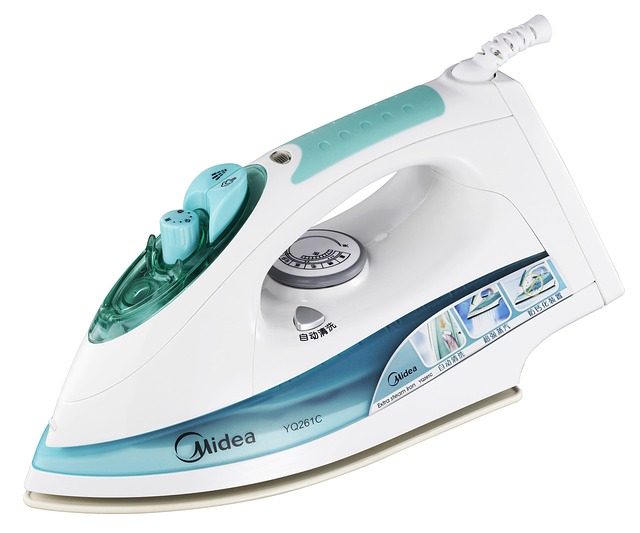
Removing large appliances can be a daunting task, but with a structured approach, you can ensure a safe and efficient process. When dealing with broken or unwanted appliances, proper disposal is not only environmentally responsible but also prevents potential hazards associated with heavy items. Here's a step-by-step guide to navigate this process, focusing on the specific challenge of appliance removal and house clearance.
Start by assessing the type of appliance you're dealing with. Different materials and designs necessitate unique handling methods. For instance, recycling old dryers or larger kitchen appliances may require specialized services due to hazardous components like ozone-depleting gases or potentially toxic materials. Researching local appliance recycling events or centers is a prudent first step; these facilities are equipped to handle various items responsibly. Many cities and towns organize regular collection points for electronic waste, including appliances, making it convenient for residents to dispose of larger items safely.
Prioritize safety during the removal process. Appliances can be heavy and bulky, so ensure you have assistance or use appropriate tools designed for lifting and moving such objects. Protective gear, especially when handling parts with sharp edges or potential chemical risks, is essential. Consider enlisting professional help or engaging local house clearance services that specialize in efficient appliance removal, ensuring a smooth transition without compromising safety or environmental standards. Several companies now offer comprehensive appliance recycling solutions, including collection, transportation, and proper disposal, making it an accessible and eco-conscious option.
Eco-Friendly Options for Appliance Recycling and Reuse
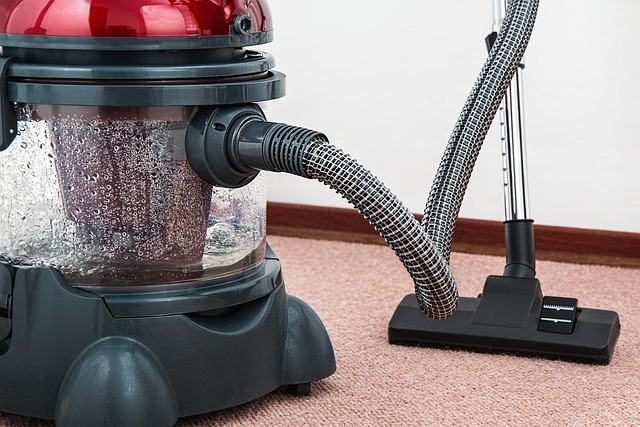
Disposing of broken appliances doesn't have to harm the environment. In fact, there are eco-friendly options for appliance recycling and reuse that can significantly reduce your environmental footprint. For those in Gloucestershire, professional junk clearance services offer a sustainable solution, ensuring hazardous materials are handled properly and resources are reclaimed.
Consider this: according to the EPA, major appliances like refrigerators contribute significantly to waste in landfills due to their size and complex components. However, proper recycling can recover valuable metals, plastics, and other materials that can be used again, reducing the need for new production. For instance, a typical refrigerator contains over 80% recyclable material – if properly processed, these components can be turned into new products like metal cans, plastic bottles, or even new appliances.
One effective strategy is to house clearance Gloucestershire services that specialize in appliance removal. These professionals are equipped to handle various types of appliances safely and responsibly. They often partner with facilities that offer shredding, crushing, and separation technologies to ensure maximum recycling rates. Additionally, some companies provide free collection services for larger items, making it easier for individuals to participate in eco-friendly appliance disposal.
Beyond professional services, there are also community-based initiatives and programs designed for the responsible disposal of appliances. Many local governments offer specific guidelines and collections events for large junk items, including old refrigerators and washing machines. Always check with your local authority for these opportunities. Remember, when appliance removal is done right, it can be a powerful tool in reducing waste and promoting a greener future.
Efficient Appliance Removal House Clearance Techniques

When dealing with broken appliances, efficient appliance removal house clearance techniques are essential for minimizing environmental impact and maximizing recycling opportunities. Many people opt to hire an appliance clearance company due to the sheer weight and size of these items, which can make them difficult and potentially dangerous to remove on one's own. According to a study by the EPA, major appliances account for a significant portion of household waste, with refrigerators alone contributing a substantial amount due to their use of refrigerants that must be handled properly during disposal.
One natural and cost-effective approach is to consider appliance removal as part of a broader house clearance process. This strategy not only facilitates efficient disposal but can also generate savings on the cost of appliance removal, which typically ranges between $50 to $300, depending on the item's size and weight. When planning this process, start by sorting appliances into recyclable materials, such as metals and plastics, and hazardous components like capacitors and refrigerants. For larger items like refrigerators, consider hiring a professional who specializes in safe disposal and recycling, ensuring compliance with local environmental regulations.
Additionally, explore options for upcycling or repurposing functional parts of broken appliances. Many communities have programs that accept working components from old appliances to be used in repairs or refurbished for resale. This not only extends the life of these materials but also reduces the demand for new manufacturing, contributing to a more sustainable appliance removal house clearance process. By adopting these techniques, homeowners can actively participate in responsible waste management while potentially reducing their environmental footprint and saving on disposal costs.
By comprehending your responsibilities in appliance disposal and adopting efficient removal house clearance techniques, you contribute to a greener environment. The article has equipped readers with a comprehensive guide, from safely removing large appliances to exploring eco-friendly recycling options. Key insights include prioritizing responsible disposal, utilizing step-by-step guides for complex tasks, and embracing sustainable practices like appliance reuse and recycling. Practically, this means naturally integrating appliance removal house clearance methods into your routine, ensuring not only efficient waste management but also a more sustainable future.